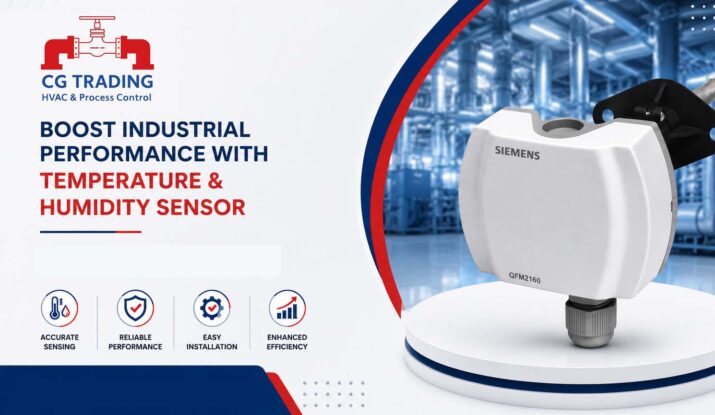
Modern industries really cannot afford to overlook the environment inside their plants, warehouses, or storage areas. Even small fluctuations in Temperature & Humidity Sensor readings can change the quality of the product, risk safety, or drive up energy use. Installing a reliable sensor is a simple step that can make a big difference in keeping your operations under control.
In many factories, this sensor works quietly in the background. It keeps collecting data, warns the team when conditions move out of the safe zone, and helps avoid expensive mistakes. This blog will explain how this sensor works, where it adds the most value, and how you can pick the right sensor for your plant.
What Is a Temperature & Humidity Sensor?
It is a small electronic device that measures how hot or cold the air is and how much moisture it holds. It gives you two values in one: temperature (in °C or °F) and humidity (often as a percentage).
Many industrial units use these sensors in HVAC systems, storage rooms, clean rooms, and process areas. The sensor can be wall‑mounted, duct‑mounted, or placed inside a control panel. The output is usually a simple electrical signal that connects to a controller, PLC, or monitoring system.
Why This Sensor Matters in Industry
This sensor does more than just display numbers on a screen. It helps you keep the room or process area in the right condition. If a space turns too hot or too humid, materials can warp, spoil, or behave in ways you did not expect.
In pharmaceuticals, food processing, and electronics, even small changes in temperature and humidity can ruin batches or weaken product stability. A good sensor gives you early warning so you can act before quality is lost. A fixed temperature & humidity sensor can flag these shifts early. This allows operators to adjust the HVAC system, open doors, or start dehumidifiers before quality is damaged.
From an energy point of view, sensors also help. Instead of running cooling or heating non‑stop, systems can be turned on or off based on real‑time readings. This cuts energy bills and reduces wear on equipment.
Common Industrial Applications
Many industries use this sensor in daily operations. It helps to check that stored items remain within the acceptable range. In manufacturing plants, it follows painting booths, drying ovens, and clean rooms where air conditions must stay tight. Data centers and server rooms also rely on these sensors to keep machines cool and free from condensation.
Pharmaceutical and food plants use temperature & humidity sensor data to record conditions for audits and compliance. If regulators ask, “What was the humidity in that storage area last Tuesday?” The sensor data answers that question with numbers, not guesswork.
How to Choose the Right Sensor
Not every sensor is the same. The right one depends on your environment, accuracy needs, and budget. Ask yourself a few basic questions.
- How harsh is the environment?
- Is it dusty, wet, or exposed to chemicals?
- What level of accuracy do you need?
- How will the data be used—simple local display, central monitoring, or automatic control?
Look for a sensor with a clear measuring range that covers your expected conditions. A good model should be stable over time and not drift too quickly. You also want a clean, easy‑to‑read output so your controller or software can use it without extra hassle.
This is where temperature and humidity sensor manufacturers can make a real difference. They give you transparent insights and proper calibration details. They can also help you figure out which sensor types are right for your industry, how you want to mount them, and how your control system is arranged
Get Your Sensor Today
If you want your plant to run better, keep your products safe, and cut down on wasteful energy use, start by paying closer attention to the environment around your processes. A well‑placed Temperature & Humidity Sensor can give you the data you need to make smarter decisions every day.
If you want to see different sensor options and connect with people who know industrial setups, you can visit www.cgtrading.co.in. They can help you select the right sensor for your site and production line.
CG Trading
CG Trading is the leading supplier, trader, exporter, and distributor in the valve industry. We specialize in providing high-quality valves for the HVAC, firefighting, and industrial sectors.