
Introduction
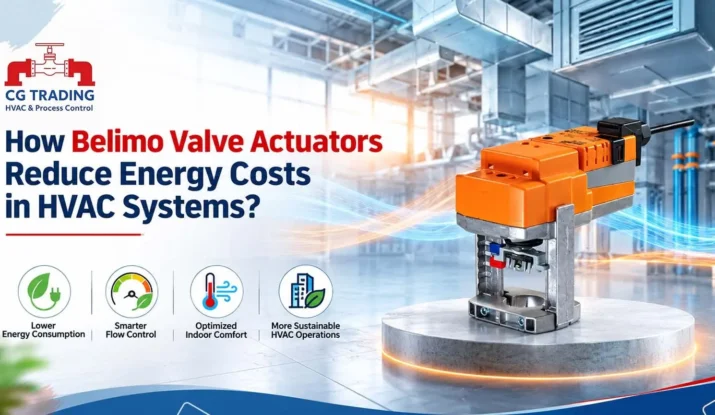
Energy costs in commercial buildings are a constant pressure — and HVAC systems are usually where the biggest portion of that bill comes from. When heating and cooling equipment runs inefficiently, it doesn’t just show up on the electricity meter. It shows up in equipment wear, maintenance calls, and occupant complaints. The Belimo valve actuator has become one of the most trusted solutions for tackling this problem, and for good reason. It gives building managers precise control over how water and air move through an HVAC system — and precision is exactly what eliminates waste.
What Is a Belimo Valve Actuator?
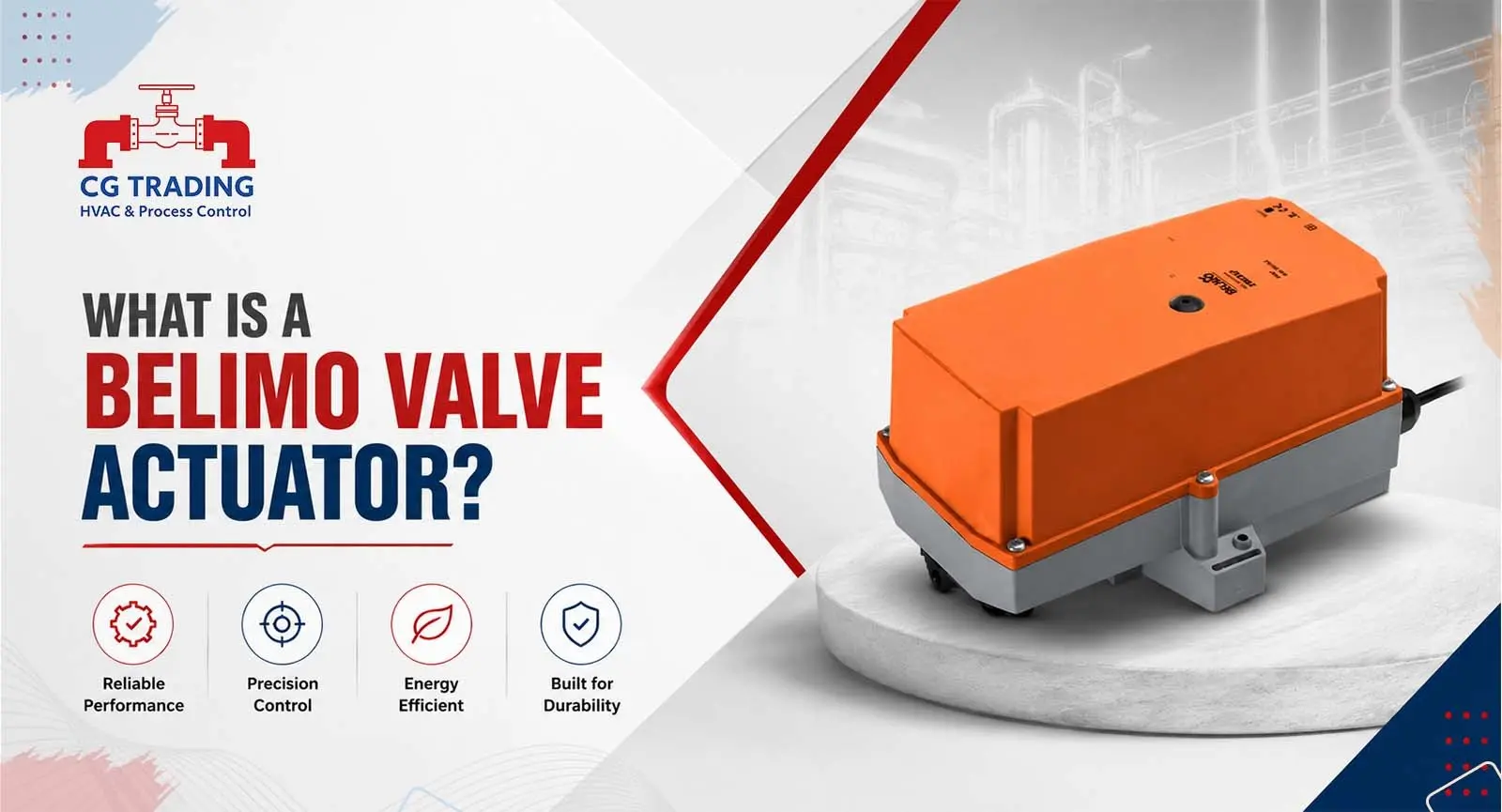
It is an electromechanical device that controls where a valve sits in an HVAC system. It picks up a signal from a building management system or controller, then physically moves the valve to the position needed — regulating how much hot water, chilled water, steam, or air passes through at any given moment.
Belimo is a Swiss brand that’s been building actuator technology for decades and is widely considered the global standard for quality and reliability in this category. Their actuators turn up in small commercial buildings, large industrial facilities, hospitals, data centres — wherever precise HVAC control matters.
Why Does HVAC Energy Waste Happens in the First Place?
Before getting into what a Belimo valve actuator does, it helps to understand where the energy waste actually comes from.
Most HVAC energy problems occurs due to one of these:
- Oversupply of heating or cooling — the system pushes out more than the space actually needs at that moment.
- Poor flow control — valves that can’t modulate properly let too much or too little water through.
- Pump overconsumption — when valves don’t close the way they should, pumps work harder than necessary to maintain pressure.
- No feedback from the system — without accurate position sensing, nothing can self-correct when something drifts.
- Slow or aggressive control — systems that respond too late or too hard waste energy cycling on and off repeatedly.
A valve that’s slightly off position can quietly drain energy for months. By the time someone investigates, the costs have already stacked up.
How Belimo Valve Actuators Solve These Problems?
Precise Flow Control
The real value of a valve actuator isn’t just that it opens and closes — it’s that it modulates. It holds the valve at exactly the position the system needs, not just fully open or fully shut. That means the right amount of water flows at the right time, matched to actual demand.
This precision reduces energy consumption in straightforward ways:
- Pumps don’t have to work against incorrect valve positions
- Heating and cooling coils only receive what they need to meet current demand
- Temperature swings are smaller, which means less energy spent correcting them
Tight Shutoff Performance
Belimo actuators are built to close valves completely when required. A valve that doesn’t fully close — even slightly — allows water to bypass the coil when it shouldn’t, causing the system to overcool or overheat and then compensate. This cycle wastes significant energy over the course of a day.
Fail-Safe Operation
Most Belimo valve actuators include a spring return fail-safe mechanism. If power is lost, the actuator returns to a defined position automatically. This prevents situations where a failed actuator leaves a valve stuck open, flooding a system with unnecessary heating or cooling and running up energy costs during an unplanned outage.
Integration with Building Management Systems
Belimo actuators communicate directly with BMS platforms using standard control signals — including 0–10V, 2–10V, and on/off signals, as well as Modbus, BACnet, and MP-Bus on advanced models. This integration means the HVAC system responds dynamically to actual building demand, rather than running on fixed schedules or manual settings.
When a building is unoccupied, the BMS signals the actuators to reduce flow. When occupancy spikes, flow increases to match. This demand-based control is one of the most effective ways to reduce HVAC energy consumption in commercial buildings.
The Energy Savings in Practice
The numbers behind actuator-driven efficiency improvements are worth understanding:
- Pump energy consumption can be reduced by up to 50% when valves modulate correctly, because pump speed can be reduced in proportion to reduced flow demand
- Studies in commercial buildings show that proper valve and actuator control can reduce overall HVAC energy consumption by 15 to 30 percent
- Buildings that upgrade from on/off valve control to modulating actuators often see payback on the investment within one to three years through energy savings alone
These aren’t theoretical figures — they reflect what building engineers and facility managers consistently observe when switching to properly specified and installed actuators.
Other Benefits Beyond Energy Savings
Energy cost reduction is the headline benefit, but Belimo valve actuators deliver several other operational advantages:
- Extended equipment life — precise control means less thermal stress on coils, pipework, and pumps
- Reduced maintenance — actuators that position correctly reduce the strain on the entire system, leading to fewer breakdowns
- Improved comfort — stable temperature control means occupants experience fewer hot and cold spots
- Quieter operation — hunting and cycling caused by poor valve control produces noise; proper modulation eliminates this
- Diagnostic capability — advanced Belimo models with communication protocols can report position feedback, torque data, and fault information directly to the BMS
Selecting the Right Belimo Valve Actuator
Not every actuator fits every application. Key factors to consider when specifying a Belimo actuator include:
- Torque rating — must match the valve size and type being used
- Control signal — the actuator must be compatible with the controller’s output signal
- Voltage — 24V AC/DC is standard for most commercial applications; 230V is used in some configurations
- Fail-safe requirement — spring return actuators provide fail-safe; non-spring return actuators don’t
- Communication protocol — for BMS integration, ensure the actuator supports the required protocol
- IP rating — for outdoor or wet area applications, a higher IP rating is needed for protection against moisture
Getting the specification right at the selection stage avoids costly mismatches during installation and commissioning.
Where Belimo Valve Actuators Are Used?
These actuators show up across a wide range of building types and applications:
- Commercial office buildings and corporate campuses
- Hospitals and healthcare facilities where temperature stability directly affects patient care
- Hotels with complex multi-zone requirements and high occupant turnover
- Data centres where precise, reliable cooling is non-negotiable
- Industrial process heating and cooling systems
- Universities and large educational campuses
- Retail and shopping centres with high footfall and variable heat loads
Source Genuine Belimo Actuators from CG Trading
CG Trading supplies high-quality Belimo valve actuators for commercial, industrial, and institutional HVAC applications — with expert product selection guidance, competitive pricing, and reliable stock availability across the full Belimo range.
Frequently Asked Questions
CG Trading
CG Trading is the leading supplier, trader, exporter, and distributor in the valve industry. We specialize in providing high-quality valves for the HVAC, firefighting, and industrial sectors.