
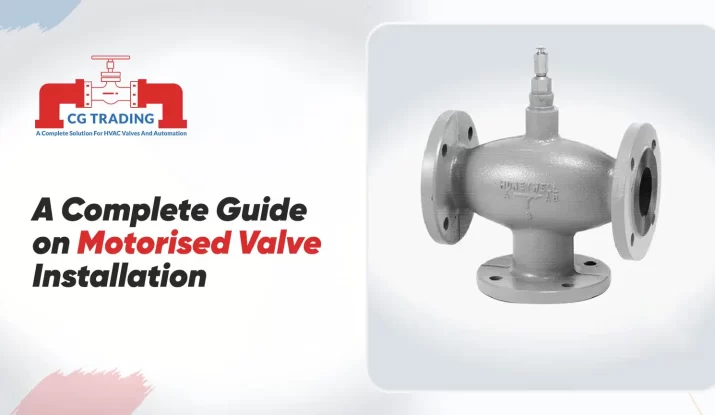
Valve is a device that controls the fluids within the system. A motorised valve is a very rarely operated valve that uses an electrical motor to open and close the flow of the fluid. Instead of a manual handle an electrical actuator gives an electrical signal that controls the ball inside the valve motorised valves increase the efficiency of the fluid control system significantly. In this blog we will discuss the components, working and applications of motorised valves.
Valve Specification
Proper installation starts with a clear understanding of motorised valve specifications. All the small details such as voltage ratings, flow direction, mounting orientation etc have to be kept in mind. These specifications directly affect valve performance and its reliability over the long term. Ignoring them can lead to incorrect installation and system inefficiency. Proper consultancy should be taken before installation to avoid system inefficiency. Always consult the manufacturer before any technical step. Proper knowledge of these factors ensures that the valve will function correctly under operating conditions, maximizing the efficiency and minimizing the risk of malfunction in it.
Installation Process
1. Piping System: Before installing the motorised ball valve, proper pipeline system should be ensured to secure leak-free setup. Proper cleaning of pipe is required. All the dust materials, rust materials and sealing materials should be compromised by the new connections. Apply pipe tape on an appropriate thread that evenly spreads upon the threads and create a reliable seal that prevents leaks under your pressure. Proper preparation at this stage not only protects system integrity but also reduces the expenditure of future maintenance issues or operational failures.
2. Mounting the valve: Position the motorised ball valve correctly in line with the system’s flow direction, ensuring that body markings match the required path. Now secure the valve with the help of suitable fittings and connectors, tightening each joint for stability. Avoid overtightening of the valve to prevent damage to threads or other components. Proper mounting increases proper performance and consistency in system operations.
3. Setting up the Electrical Connections: After mounting the valve further we need to set up the electrical connections. The initial step is to connect the control signals, feedback lines and also ensure that all the connections are tight and connected. Double check the connections before turning on the main power to prevent faults and damages. This careful wiring makes the overall machinery safe.
Testing Process:
1. Leak Check: Give a trial to the system and then inspect that all the systems are leak free and closely tight with each other. Pay close attention to the areas around the motorised ball valve.
2. Troubleshooting Common Issues: Some common issues may occur like friction noises, valves not opening, electrical faults etc. Check for these unusual connections and mechanical obstructions. Consult with the faculty when needed and if problems persist, don’t hesitate to seek professional assistance to avoid damaging the valve or your system.
Conclusion
Installing a motorised ball valve needs careful work and a clear plan. By following this guide, you can install the motorised valve correctly. Proper installation keeps your valve working well in long term conditions. Regular maintenance helps the system run smoothly for years. If any problem occurs, ask for help to get the best result for your system.
CG Trading
CG Trading is the leading supplier, trader, exporter, and distributor in the valve industry. We specialize in providing high-quality valves for the HVAC, firefighting, and industrial sectors.