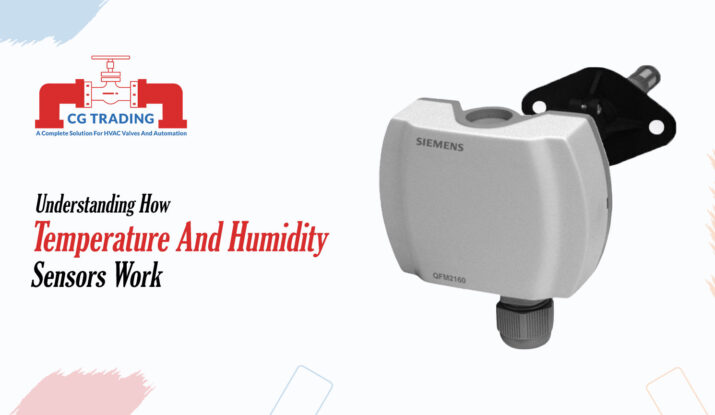
If you’re running a warehouse, a cold storage facility, or even a high-end server room, you already know that close enough isn’t good enough when it comes to the environment. A slight spike in heat or a sudden rise in moisture can ruin a shipment of electronics or spoil an entire batch of pharmaceuticals in hours. That’s where a Temperature and Humidity Sensor comes into play. It’s not just a piece of plastic on the wall; for a business, it’s a safeguard against massive financial loss.
What Exactly is a Temperature and Humidity Sensor?
It is a device that measures the thermal energy and moisture content in the air. It then converts that data into an electrical signal that we can read on a screen or use to trigger an action (like turning on an AC unit).
How Do They Work?
Most of these Temperature and Humidity Sensors work using two main components:
- Thermistor for Temperature: Inside the sensor is a small component called a thermistor. Its electrical resistance changes based on the temperature. As it gets hotter or colder, the sensor measures that change in resistance and calculates the exact temperature.
- Capacitive Element for Humidity: To measure moisture, the sensor uses two electrodes with a moisture-absorbing strip between them. As the humidity levels change, the strip absorbs or releases water vapor, changing the electrical capacity between the electrodes.
By combining these two measurements, the device gives you a real-time health check of your environment.
Why Businesses Need Temperature and Humidity Sensors
If you are running a warehouse, a greenhouse, or a data center, you can’t rely on feeling the air. You need precision.
- Food & Pharma: Medications and food items have strict storage requirements. A 2-degree spike in temperature could ruin a million-dollar shipment.
- Manufacturing: Precision machinery can expand or contract with temperature changes, and high humidity can cause rust.
- Agriculture: Modern farming uses these sensors to automate irrigation and ventilation, ensuring crops grow in the perfect “Goldilocks” zone.
Because of this high stakes environment, choosing the right Temperature and Humidity Sensor manufacturers is crucial. You aren’t just buying a gadget; you are buying the reliability of your entire supply chain. Top-tier manufacturers ensure that these sensors are calibrated correctly and can withstand harsh industrial environments without failing.
Key Benefits of Using These Sensors
- Energy Efficiency: By knowing the exact conditions of a room, your HVAC system doesn’t have to work overtime. You save money on electricity.
- Preventing Mold: In storage units, keeping humidity low is the best way to prevent mold and mildew from destroying stock.
- Automation: Most modern sensors can be connected to the Internet of Things (IoT). This means if the temperature gets too high, the system can automatically send an alert to your phone.
Where These Sensors Are Saving the Day
It’s easy to forget how much we rely on these little devices. In greenhouses, they ensure plants don’t wilt under high humidity. In data centers, they prevent static electricity from frying expensive servers. Even in the food and beverage industry, they are the silent guardians of food safety, making sure the cold chain is never broken from the factory to the shelf.
Final Thoughts
At the end of the day, monitoring your environment is just good business. Whether you’re managing a greenhouse, a library, or a high-tech factory, having accurate data allows you to stop reacting to problems and start preventing them. If you are looking for high-quality, reliable temperature and humidity sensors for your industrial or commercial needs, CG Trading offers a range of professional-grade products. From bulk supplies to expert advice, we are your go-to partner for maintaining the perfect environment.
CG Trading
CG Trading is the leading supplier, trader, exporter, and distributor in the valve industry. We specialize in providing high-quality valves for the HVAC, firefighting, and industrial sectors.