
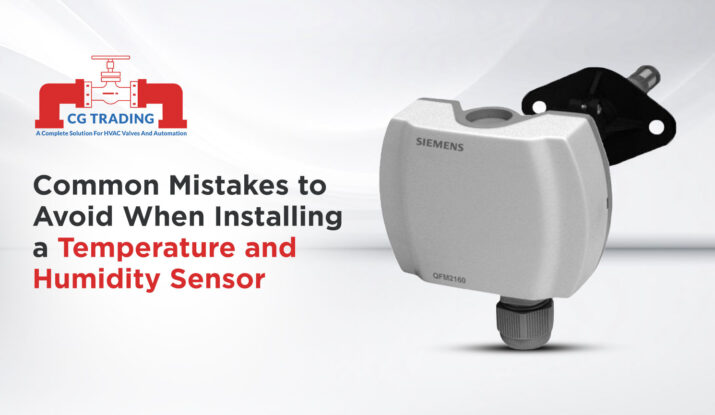
Looking for a high-quality but low-priced surrounding temperature detector? Well, what can be a better bet than a temperature and humidity sensor? It is used to detect both the dampness and the air temperature of the surrounding area. It is an important device in the industrial, data centers, pharmaceutical, as well as food manufacturing industries, among others. It is important for the safety of the equipment, which can end up affecting the entire operation.
This machine consists of a semiconductor device that changes the voltage with temperature variations. On the other hand, for checking out the humidity, it uses the resistive sensor, which absorbs the water from the air. It detects both the temperature as well as humidity in the surrounding environment. Though this device is compact but installing it is not child’s play. Here are some of the things that you can keep in mind while setting up a temperature & humidity sensor.
- Placing the Equipment Close to the Heat Source:
You should never keep this sensitive equipment in direct sunlight or close to any heat source. The temperature and humidity sensor will absorb the heat and will raise false alarms regarding the heat. So, make sure that the equipment is installed in a well-shielded place.
- No Ventilisation:
If the air flow in the area where you have mounted the sensor is not enough, it will not be able to provide accurate readings. Mounting it in a corner or a closed-up cabinet will lead to inaccurate readings.
- Ignoring Manufacturer’s Guidelines:
Different sensors come with varying installation needs. So, before you go ahead with the installation process, first read the manufacturer’s guidelines carefully. It will help you understand the important specifications, like the apt mounting height, space, and electrical connections. It will ensure that you get precise readings and you can enjoy optimal operations.
- Incorrect Mounting:
The sensors installed in the temperature and humidity sensors are hyper-sensitive. Installing it too close to the floor or the ceiling can hamper the performance of the equipment, leading to inaccurate readings. The best area for the installation of the temperature and humidity sensor should be around the human’s breathing height, which is 4 to 5 feet. Having said that, it is best to follow the manufacturer’s guidelines, as they know best.
- Protecting Outdoor Sensors:
If the temperature and humidity sensor is installed outdoors, it also has to withstand the harsh climatic conditions like rain, dust, insects, and storms. The extreme fluctuations of the temperature that the sensors constantly face in the outdoor environment can cause damage. A shield for protection against heat and water will keep it protected and enhance its durability.
- Poor Wiring & Connections:
Using the wrong kind of cable or loose connections can lead to failure of the sensor. Ensure that all the connections are secure and moisture-proof, or else they can hamper the readings. It is especially essential in the case of humid or outdoor environments.
In Conclusion…
If you are a newbie and do not understand the process of installation properly, then hire a professional. You do not want to waste your money for nothing. If you want to reduce the chances of errors, then select ‘CG Trading’. They will not only provide you with the best temperature and humidity sensors, but also follow the motto of attentive customer service. They clear all the doubts of the clients when they are buying the product, making the process very smooth.
Their humidity and temperature sensors are highly affordable and available in different specifications. You can choose the one that meets your demands.

CG Trading
CG Trading is the leading supplier, trader, exporter, and distributor in the valve industry. We specialize in providing high-quality valves for the HVAC, firefighting, and industrial sectors.